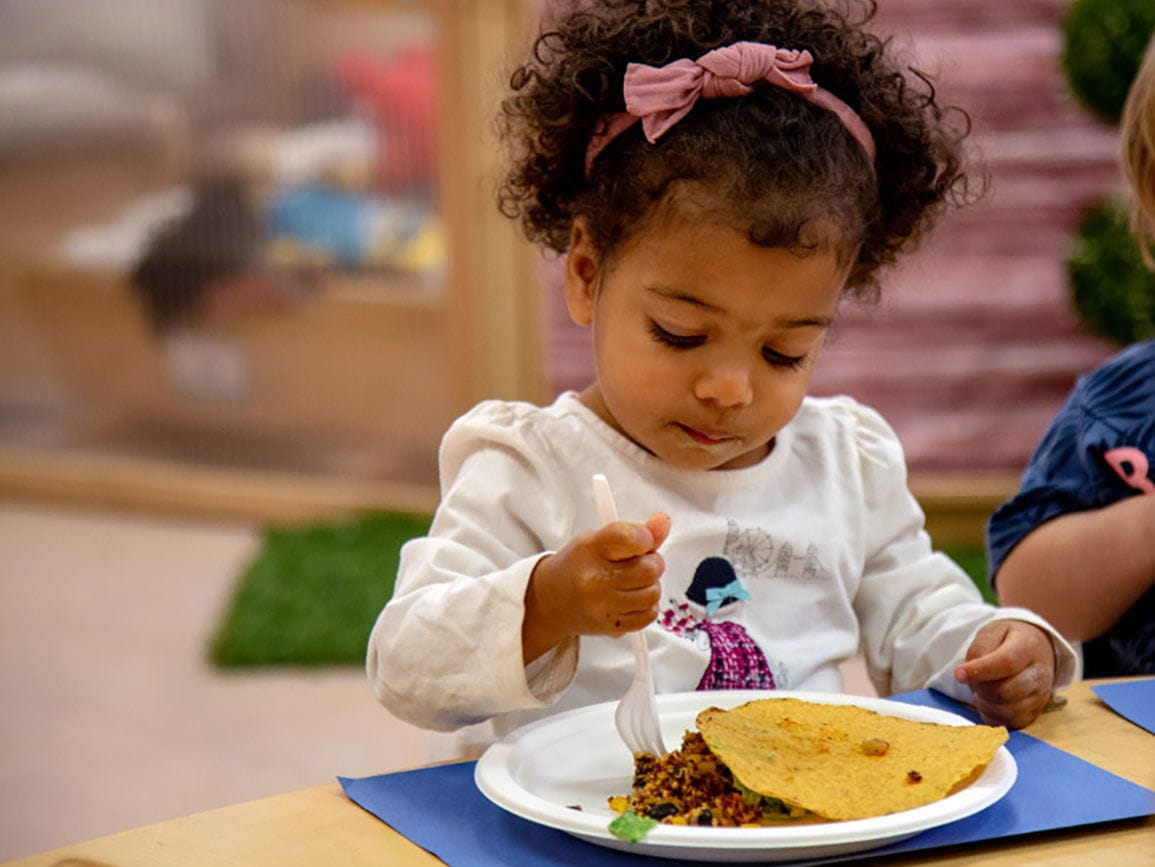
Food is a necessary and joyful part of life, a
time to nourish bodies, spirits, and relationships. But if your family
meals don’t feel especially joyful, we’re here to help. Building healthy
food habits is a lifelong process that starts with simple foods,
realistic expectations, and plenty of autonomy for kids.
Encourage Your Kids to Eat Healthy Food
Raise a Healthy Eater Webinar
Teach Your Kids about Food Sources Where Food Comes From
Additional Resources
The Partnership for a Healthier America (PHA) works with organizations to eliminate the problem of childhood obesity, and complements the Let’s Move! Initiative started by former First Lady Michelle Obama.
Getting children to consume a healthier diet can be tough; below you’ll find 10 suggestions from PHA on making it easier.
</iframe
Reconnecting our children to food’s origins can build their conceptual understanding of food sources, while also providing an opportunity to form healthy eating habits and learn about the environmental implications of growing organically or transporting food long distances.
Encourage Your Kids to Eat Healthy Food
Raise a Healthy Eater Webinar
Teach Your Kids about Food Sources Where Food Comes From
Additional Resources
Encourage Your Kids to Eat Healthy Food
Developing good eating habits is a lifelong process that demands a healthy perspective on food, as well as wise practical choices and behaviors. In partnership with The Partnership for a Healthier America, Bright Horizons is committed to supporting families in this process, ensuring good health for future generations.The Partnership for a Healthier America (PHA) works with organizations to eliminate the problem of childhood obesity, and complements the Let’s Move! Initiative started by former First Lady Michelle Obama.
Getting children to consume a healthier diet can be tough; below you’ll find 10 suggestions from PHA on making it easier.
- Set the example. Children tend to mimic what we
do. Make meals a pleasant time and serve a wide variety of healthy
foods. Let your children see that you enjoy eating a varied diet,
including fruits and vegetables.
- Make food a family affair. Children are more
likely to eat meals to which they’ve contributed in some way. This might
mean helping make the weekly meal plan, shopping at a farmer’s market,
washing vegetables for a salad, or even cooking some of the meal, depending on your child’s age.
- Substitute healthier choices. Replace regular
fries with sweet potatoes or try hummus, salsa, or chutney instead of
high-fat sauces. Serve yogurt, fruit, or dark chocolate instead of rich
desserts.
- Plant a garden.
Home-grown vegetables almost always taste better and the accomplishment
children feel in growing them is highly motivating. Try easy to grow
vegetables like radishes, carrots, peas, greens, or compact, determinate
tomato varieties. Many of these plants can be grown in containers on a
patio if space is limited.
- Try the “polite bite” rule. Studies show that
many children don’t like a food until they’ve tried it at least 20
times. So keep serving vegetables and ask your child to take one “polite
bite.” This practice respects a child’s preferences while giving them
opportunity to try new foods. Still no luck? Many children dislike the
texture of steamed vegetables, but they’ll try them raw with a dip, or
roasted. Another option is to introduce veggies in a smoothie or sauce.
- Teach healthy attitudes about food. Try to
approach food and meals as a joyful part of life; de-emphasize
conversations that promote certain foods as healthy and other foods as
unhealthy. Instead, serve a variety of delicious foods, including
occasional sweets or desserts. Don’t use food as a weapon or bribe. Let
your child serve herself, taking just the right portion.
- Bring back the family dinner.
Today’s families are feeling the pinch of busy schedules and routines,
but there’s something very special about eating a meal at home as a
family. Try to have family dinner at least a couple nights a week, or
family breakfast on the weekends. Turn off the television and other
distractions, and really focus on the food and each other.
- Be thoughtful about snacks. There’s nothing
wrong with an afternoon snack, but don’t let it sabotage dinner. Serve
snacks at least two hours before a meal. Offer healthy snacks such as
cheese and whole-grain crackers, sliced veggies, or a piece of fruit.
Provide water instead of juice or milk between meals.
- Learn to love water. Liquids don’t offer the
same sense of fullness that solid foods do, so it’s easy to consume a
lot of calories through them. Skip juice, soda, and even milk for most
meals and offer water instead.
- Respect food preferences. Some researchers theorize that picky eating is an evolutionary response going back to a time when overly adventurous young children could actually die from eating poisonous berries or plants. Take picky eating in stride, don’t make a big deal out of it, and don’t use food as a bribe or reward.
- “Go” foods are the healthiest options for kids and can be eaten almost anytime.
- “Slow” foods are those you can eat sometimes but not every day.
- “Whoa” foods should make you think, “Wait, should my child eat that?” These are the least nutritious and should only be eaten occasionally.
Bright Horizons Family Webinar: Raising a Healthy Eater Webinar
In this webinar, PHA joined Bright Horizons to discuss children’s nutrition.</iframe
Importance of Teaching Kids Where Food Comes From
Fewer children today get first-hand experience with food sources. In days past, more of us had backyard gardens or visited a farm belonging to family members or friends. We may have picked apples, collected eggs, or harvested beans. Today, many children only experience food coming from a grocery store.Reconnecting our children to food’s origins can build their conceptual understanding of food sources, while also providing an opportunity to form healthy eating habits and learn about the environmental implications of growing organically or transporting food long distances.
Teach Your Kids about Food Sources
Here are a few suggestions to introduce the idea of food source to your children.Plant your own vegetable garden.
A vegetable or edible garden can be as small or large as your time and space allows. Even having one cherry tomato plant in a container on your porch or patio gives your child a chance to experience the growing and harvesting cycle of local foods. Some regions sponsor community or urban gardens where several families who don’t have gardening space can farm a small plot together.Join a Community Supported Agriculture (CSA) group.
Many farms now offer locally grown, often organic, foods by subscription. A family purchases a "share" of a local farm and receives a bag, box or credit towards fresh fruits and veggies that they pick up each week. Purchasing shares help guarantee the farmer’s subsistence and the food is seasonal and fresh off the farm. The pick-up place for the vegetables is often the farm itself. This can become a fun and educational experience for your children.Consider eating one “seasonal” meal each week.
This means only using fruits and vegetables that are in season, not grown in different climates and shipped from far away. If you shop at farmers markets or join a CSA, this is easy, because they only carry seasonal items. Older children might enjoy making a chart of when their favorite fruits and vegetables are available locally and can look forward to their purchase.Visit the local farmers market with your children.
Farmers markets offer children an opportunity to see some foods and vegetables they are unfamiliar with. They may even get to talk to the farmer.Additional Healthy Eating Resources
- Shop along with our mom blogger using her healthy grocery list for children and families.
- Use these tips for getting picky eaters to try new foods.
- Food allergies are very common today — get a better understanding of food allergies.
- Here are eleven nut-free lunch ideas for preschool kids.
- Find recipes for healthy toddler finger foods and healthy toddler snacks.
- Visit our Family Room blog for posts about family health, nutrition, and kid-friendly recipes.
- Search through our Learning at Home activities to discover learning games to play with your children while waiting at restaurants.
- Nutrition is only a part of living a healthy lifestyle. Watch this webinar on family fitness.
Comments
Post a Comment